

 The 2025 Yearbook of Global Climate Action, launched by the Climate High-Level Champions at COP30 Brazil. BioCAM4 is proud that our WP1 co-lead Sander Chan and his colleagues authored the new report, “TEN YEARS OF GLOBAL CLIMATE ACTION – INSIGHTS FROM THE COACT DATABASE,” which is one of the analytical studies that helped inform the Yearbook.
Over the past decade, hundreds of cooperative climate initiatives have mobilized cities, regions, businesses, NGOs, and international organizations. The analysis of 387 initiatives shows both encouraging trends and stubborn gaps:
- strong growth in cooperative climate action since 2015
- rising attention to finance, resilience, and cross-sector collaboration
- output effectiveness plateauing since 2018
- persistent equity gaps in participation and governance
- implementation still concentrated in high-income regions
Cooperative climate action has momentum, but its transformative potential will only be unlocked through stronger inclusion, robust accountability, and far more implementation where it is most needed to advance just and effective delivery of the Paris Agreement. Learn more.
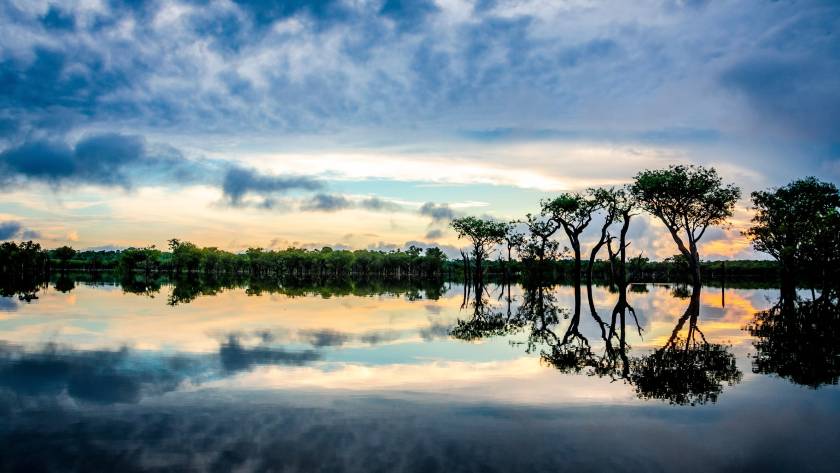 Climate, Nature & People:
Advancing the Global Mutirão Vision
A diverse panel shares how high-integrity climate actions can simultaneously advance climate adaptation, resilience, biodiversity, and social justice goals. With global and local insights, the event supports the COP30 “Global Mutirão” vision and deeper collaboration across the Rio Conventions. Learn more.

New Paper
From pledges to places: action agendas need spatial data to integrate climate and biodiversity action
Our new paper in Nature calls for policymakers to ensure that the integration of climate and biodiversity action by non-state and subnational actors be anchored in spatial data. Otherwise, we cannot see where change is happening, how effective it is, or who bears costs and benefits. The UNFCCC Global ClimateAction and CBD Action Agenda Portals should lead by requiring spatial details on implementation, enabling more credible and participatory monitoring, analysis, and collaboration. Learn more.

 Our first official project paper is out! Congratulations to lead author Hollie Folkard-Tapp! And the whole team, which includes Idil Boran, Sander Chan, and Nathalie Pettorelli on conceptuazliation, as well as Angele Alook, Ines Dombrowsky, Tarra L Penney, Dawn Bazely, Fidele Ruzigandekwe on review and editing.
Read the press release here:
https://biocam4.com/international-research-consortium-biocam4-calls-for-integrated-nature-climate-action-as-cop30-draws-near/
Read the paper here:
https://besjournals.onlinelibrary.wiley.com/doi/10.1111/1365-2664.70130
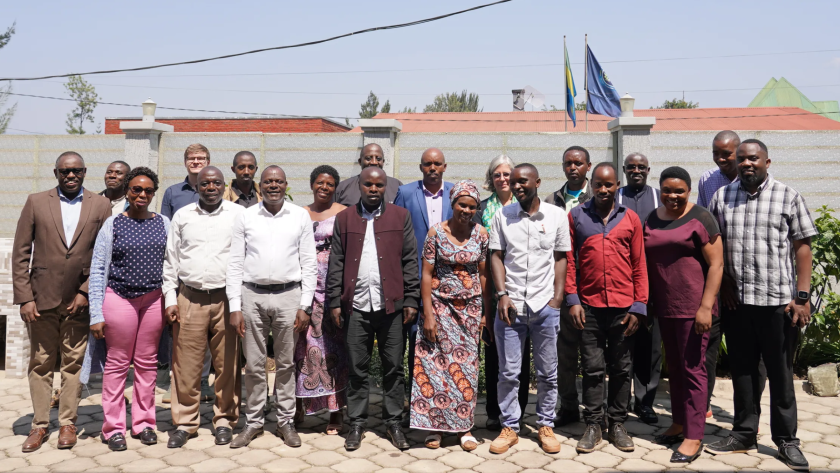
On 30th July 2025, the Greater Virunga Transboundary Collaboration (GVTC), in partnership with the German Institute of Development and Sustainability (IDOS), successfully hosted the BioCAM4 Co-Design Workshop at La Palme Hotel in Musanze, Republic of Rwanda. The event brought together key stakeholders from government agencies, conservation organizations, and local communities to jointly shape the Rwanda case study for the BioCAM4 Project. Read more…


